
How to archive and extract files in CentOS?

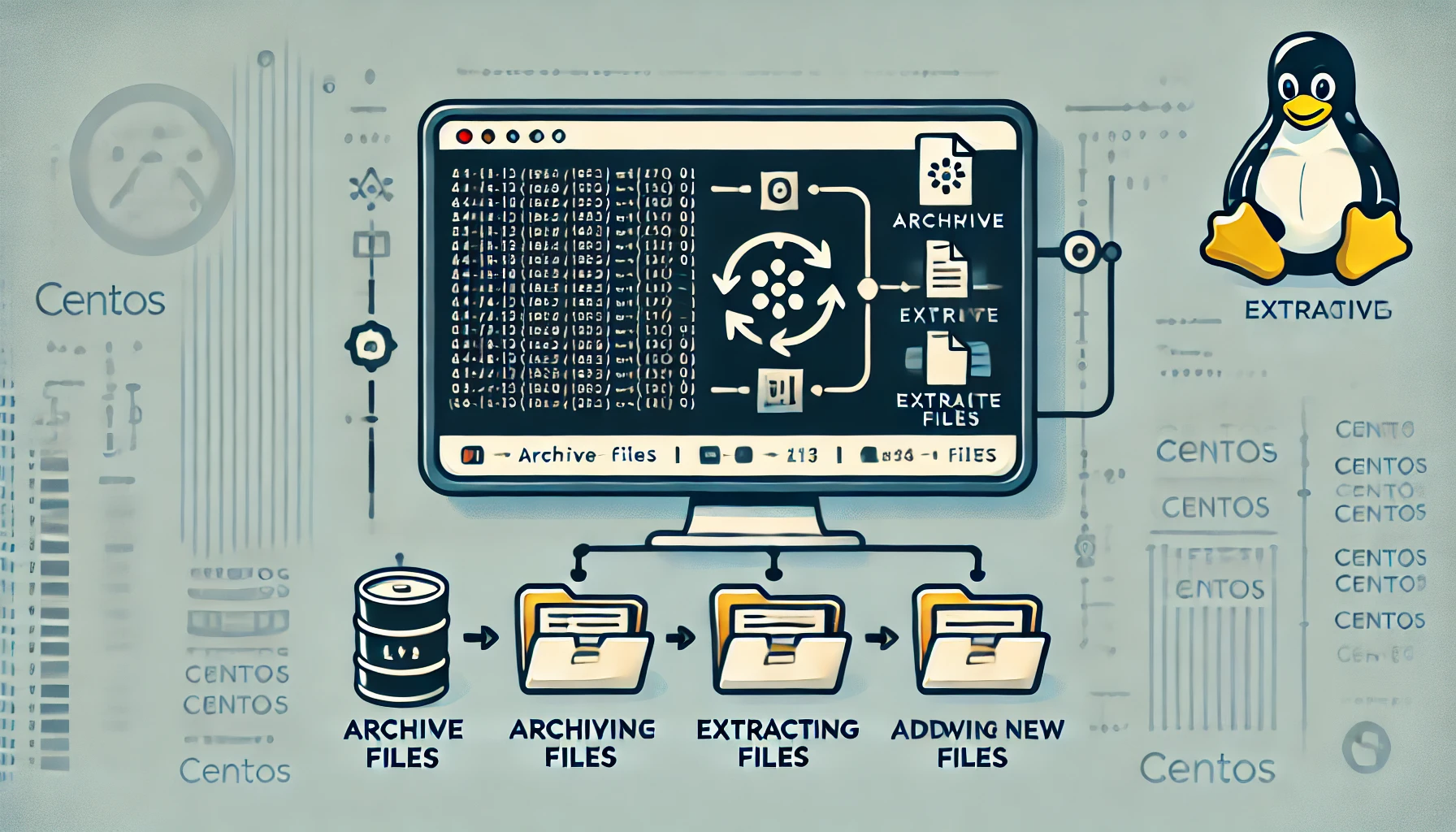
In this post we will see how to archive and extract files using terminal commands in CentOS. CentOS is a Community Enterprise operating system which mainly focuses on the server. It is a part of Linux Operating System Distribution and it is free to use. First open the terminal.
Total Time Needed: 30 Minutes
Required tools:
CentOS
Steps to archive and extract files in CentOS
Step 1 : Archieve File
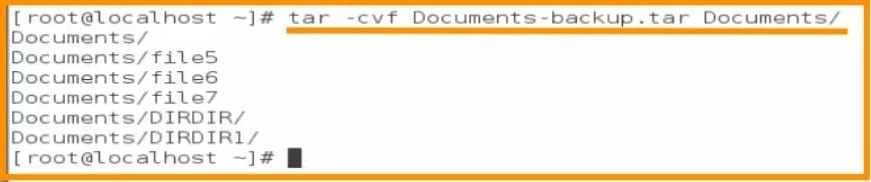
To archive, a file uses the command tar –cvf destination.tar source.tar . For example, to archive Documents to a file named Documents-backup.tar to type the command tar -cvf Documents-backup.tar Documents/ and press enter
Step 2 : Extract the Archieved File
To extract the archived file, use the command tar –xvf filename.tar . For example, to extract Documents-backup file type, the command tar –xvf Documents-backup.tar and press enter.

Step 3 : View Archived File
To view the archived file, use the command tar –tvf filename.tar . For example, to view Documents-backup.tar file type, the command tar –tvf Documents-backup.tar and press enter.

Step 4 : Add New Files
To add new files to the archived file, use the command tar –rvf Destination source. For example, to add passwd.txt to archived file Documents-backup.tar type, the command tar –rvf Documents-backup.tar passwd.txt and press enter

Conclusion:
You ca archive and extract files in CentOS following these steps. If you come across with any doubt please contact Medha Hosting. Our expert Linux administrators will help you 24/7
Read Here: How to Delete Files and Directories in CentOS?
Topics
Rakshitha
White-Label Services Specialist • 5+ years
Rakshitha specializes in white-label IT services and Linux server administration. She helps MSPs expand their service offerings through strategic outsourcing partnerships and provides expert guidance on Linux-based infrastructure solutions.
More in Hosting Solutions
View all
Apache vs Tomcat: Differences & When to Use Each
9 min read
Node.js Hosting: Options, PM2 & Server Setup
9 min read
Apache Tomcat: Download, Setup & Versions
10 min read
IIS SSL Certificate: Install, Bind & Renew
9 min read
MySQL Support: Oracle Tiers, Contacts & Options
8 min read
MySQL Performance Tuning: Slow Queries, InnoDB & Config
10 min read