
How Much Does Exchange to Microsoft 365 Migration Cost? (2026 Guide)

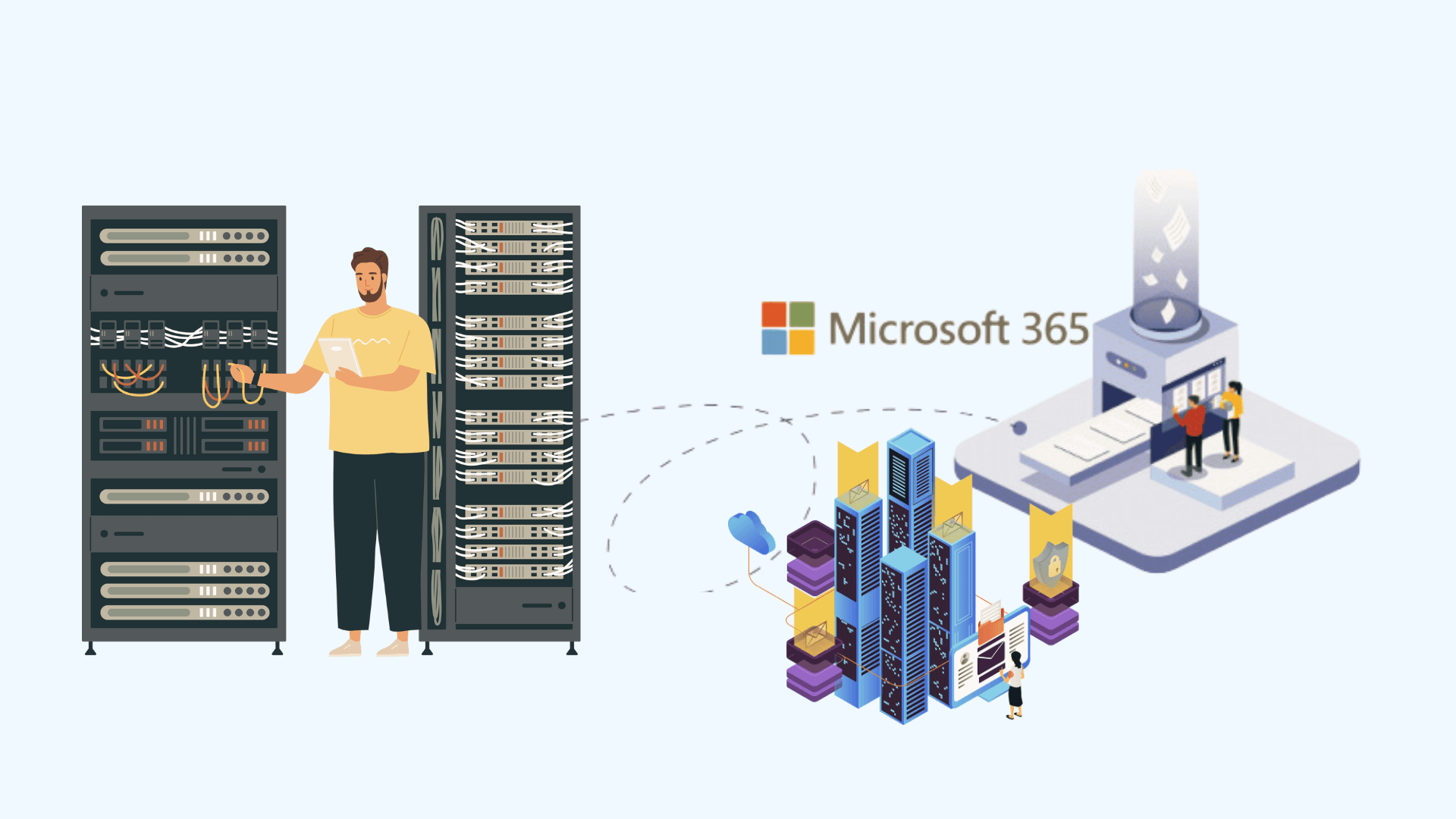
I get asked this question at least three times a week: "How much will it cost to move our Exchange server to Microsoft 365?"
The honest answer? It depends. But that is not helpful, so let me give you real numbers based on 500+ migrations we have completed at Medha Cloud over the past decade. Not theoretical pricing — actual costs businesses paid.
The Short Answer
For most small to mid-size businesses (50–500 mailboxes), you are looking at $7 to $25 per mailbox for the migration itself, on top of your Microsoft 365 licensing. A typical 100-user company spends between $1,500 and $4,000 total for a professionally managed migration.
But those numbers can swing wildly depending on your setup. Let me break it down.
What Actually Drives Migration Cost
After doing this for years, I can tell you the price tag comes down to six things. Miss any of them in your planning and you will get surprised by the invoice.
1. Number of Mailboxes
This one is obvious, but there is a nuance: it is not just user mailboxes. Shared mailboxes, room mailboxes, equipment mailboxes, and distribution groups all need to be migrated. I have seen companies quote "50 users" and then discover they have 50 user mailboxes, 30 shared mailboxes, and 15 room/resource mailboxes. That is 95 mailboxes, not 50.
2. Data Volume Per Mailbox
A 2 GB mailbox takes minutes. A 50 GB mailbox with 15 years of email history? That takes hours and can stall the entire batch. Heavy mailboxes mean longer migration windows and more babysitting. Some MSPs charge a flat rate per mailbox and then add overages for anything above 10 GB.
3. Migration Type — Cutover vs Hybrid vs Staged
Cutover is the cheapest (everything moves at once, one weekend). Hybrid is the most expensive because you are running two environments simultaneously and there is a lot more configuration involved. Staged sits in the middle. Most businesses under 150 mailboxes should do cutover. Over 150, you are probably looking at hybrid.
4. Public Folders
Public folders are the migration tax nobody budgets for. If you have them — and a lot of Exchange 2013/2016 environments do — expect to add 20–40% to your migration cost. They are finicky, the tooling is not great, and they almost always require manual cleanup before migration.
5. Exchange Version
Exchange 2010? That is going to cost more because Microsoft's native migration tools do not support it directly anymore. You need a jump server or third-party tool. Exchange 2016 or 2019? Much smoother. Exchange 2007? I am sorry. That is going to hurt.
6. Compliance & Security Requirements
HIPAA, SOC 2, financial regulations — if you need documented chain of custody, encryption verification, compliance reporting, and audit trails during migration, that is specialized work. It adds 30–50% but it is non-negotiable if you are in healthcare, finance, or legal.
Cost Comparison: DIY vs MSP vs Microsoft FastTrack
Here is where it gets interesting. You have three paths, and they are not equally smart for every business.
| Factor | DIY (Your IT Team) | MSP / Migration Partner | Microsoft FastTrack |
|---|---|---|---|
| Per-Mailbox Cost | $0 (labor is "free") | $7–$25/mailbox | $0 (included with 150+ seats) |
| Typical Total (100 users) | $0 + your IT team's time | $1,500–$4,000 | $0 |
| Hidden Costs | Overtime, downtime, mistakes | Minimal — they own the risk | Limited scope, your team does the work |
| Public Folders | Good luck | Handled | Not always included |
| Timeline | 2–6 weeks (often longer) | 1–2 weeks | 2–4 weeks |
| Weekend/Off-Hours Work | Your team works weekends | Included in price | Business hours only |
| Post-Migration Support | You figure it out | Typically 2–4 weeks included | Limited |
| Best For | IT teams with Exchange + M365 experience | Everyone else | Large orgs (150+ seats) with capable IT |
The DIY Trap
I have to be blunt: the "free" DIY migration is almost never free. I have lost count of how many companies called us mid-migration because their internal IT got stuck. At that point you are paying emergency rates and your team already spent a week on it. If your IT person has never done an Exchange-to-M365 migration before, do not make your production environment their learning lab.
FastTrack — Free But Limited
Microsoft FastTrack is genuinely free if you have 150+ licenses. But here is what they do not tell you upfront: FastTrack provides guidance. They will walk your IT team through the process on calls. They do not actually do the migration for you in most cases. And they do not touch public folders, complex hybrid configurations, or anything that requires hands-on-keyboard work in your environment. For straightforward setups, FastTrack is great. For anything complicated, you will still need a partner.
What Medha Cloud Charges
Our Pricing (Transparent, No Surprises)
We start at $15 per user for standard migrations. That includes:
- Pre-migration assessment and planning
- All mailbox types (user, shared, room, equipment)
- Weekend/off-hours cutover to minimize downtime
- DNS configuration and autodiscover setup
- Outlook profile reconfiguration
- 2 weeks of post-migration support
Public folders, hybrid configurations, and compliance-specific requirements are quoted separately because they vary so much. We will give you an exact number after a free 30-minute assessment call.
The Costs People Forget
Migration cost is not just the migration itself. Budget for these too:
- Microsoft 365 licenses — Business Basic ($6/user/mo) to E5 ($57/user/mo). Most SMBs land on Business Standard at $12.50/user/mo.
- Third-party migration tools — If you are DIY, tools like BitTitan MigrationWiz cost $12–$25/mailbox. Quest, CodeTwo, and SkyKick are in a similar range.
- Temporary license overlap — You will run both environments for 1–4 weeks. Budget for that overlap.
- Training — People underestimate this. If your team is moving from Outlook 2013 to the new Outlook for M365, there is a learning curve.
- Decommissioning the old server — Someone has to properly shut down and wipe that Exchange server. Do not just unplug it.
How to Get the Lowest Migration Cost
Want to keep costs down? Here is what I tell every client:
- Clean up before you migrate. Delete inactive mailboxes, archive old data, purge deleted items. You are paying per mailbox and per GB — migrate less stuff.
- Do a mailbox audit. Know exactly how many mailboxes (all types), their sizes, and what data needs to move. Surprises mid-migration cost money.
- Pick the right migration type. Do not overcomplicate it. If you have under 150 mailboxes and can handle a weekend cutover, do that. Hybrid is only worth it if you genuinely need coexistence.
- Have your DNS provider credentials ready. Sounds basic, but I have seen migrations stall for days because nobody could log into GoDaddy.
- Communicate with your users. The biggest hidden cost is support tickets from confused users. Send clear comms before, during, and after.
When DIY Actually Makes Sense
I am not going to pretend every company needs to hire a partner. If you have an IT person who has done Exchange-to-M365 migrations before, you have fewer than 50 mailboxes, no public folders, and you are on Exchange 2016 or 2019 — go for it. Microsoft's documentation is solid and the native tools work well for simple cutover scenarios.
But if any of the following are true, save yourself the headache and use exchange to office 365 migration services:
- More than 150 mailboxes
- Public folders with active data
- Compliance requirements (HIPAA, SOC 2, etc.)
- Exchange 2010 or 2013
- Hybrid coexistence needed
- Zero tolerance for downtime
Still Running an Old Exchange Server?
If you are on Exchange 2016 or 2019, keep in mind that exchange server support is critical because both hit end of support in October 2025. That means no more security patches. Every month you wait, you are running unpatched email infrastructure. The migration cost only goes up as your data grows and your server ages.
Our office 365 migration services start at $15/user — get a free assessment →
The most popular Microsoft 365 plan for small and medium businesses — get desktop apps, email, and collaboration tools.
Compare Business Standard FeaturesTopics
Sreenivasa Reddy G
Founder & CEO • 15+ years
Sreenivasa Reddy is the Founder and CEO of Medha Cloud, recognized as "Startup of the Year 2024" by The CEO Magazine. With over 15 years of experience in cloud infrastructure and IT services, he leads the company's vision to deliver enterprise-grade cloud solutions to businesses worldwide.
More in Microsoft 365
View all
SharePoint Support: Microsoft Options & Third Party
8 min read
SharePoint Permissions: Levels, Groups & Inheritance
9 min read
SharePoint 2016 & 2019 End of Life: Dates & Options
9 min read
SharePoint Server Subscription Edition: Licensing & Upgrade
9 min read
SharePoint Document Library: Setup, Views & Limits
9 min read
SharePoint vs OneDrive: Differences & When to Use Each
8 min read