What Is SaaS? Software as a Service Explained with Examples
SaaS (Software as a Service) is a cloud computing model where software applications are hosted by a provider and delivered to users over the internet on a subscription basis. Instead of installing and maintaining software on individual computers or local servers, you access it through a web browser — and the provider handles all infrastructure, updates, security patches, and uptime.
In simple terms: SaaS is software you rent and use online instead of buying and installing on your computer. Microsoft 365, Google Workspace, Salesforce, Slack, Zoom, and QuickBooks Online are all SaaS products you probably use every day without thinking about it.
With 27,100 monthly searches for "what is SaaS" and the global SaaS market projected to reach $819 billion by 2030 (Fortune Business Insights), understanding this model is essential for any business making technology decisions in 2026.
How SaaS Works
The SaaS model is fundamentally different from traditional software. Here is how it works behind the scenes:
Traditional Software (Old Way)
- Purchase a software license ($200-$5,000+ per copy)
- Download and install the software on each computer
- Configure the software for your environment
- Manage updates, security patches, and compatibility issues yourself
- Data stored on local hard drives or your own servers
- Buy a new license every 3-5 years for the next version
SaaS (Modern Way)
- Sign up for a subscription ($5-$300/user/month)
- Log in through your web browser — no installation needed
- The provider handles all updates automatically
- Data stored securely in the cloud with automatic backups
- Access from any device, anywhere with an internet connection
- Always running the latest version with newest features
The Technical Architecture
SaaS applications run on the provider's cloud infrastructure (typically AWS, Azure, or Google Cloud). Most SaaS platforms use a multi-tenant architecture — meaning multiple customers share the same application instance and infrastructure, but their data is logically isolated. This shared model is what makes SaaS affordable: the provider spreads infrastructure costs across thousands of customers.
When you open a SaaS application, your browser sends requests to the provider's servers. The application processes your request, retrieves your data from databases, and sends the results back to your screen. All computation happens on the provider's servers, not your computer — which is why SaaS applications work equally well on a basic Chromebook and a high-end workstation.
SaaS Examples by Category
SaaS has penetrated virtually every business function. Here are the most widely used SaaS applications organized by what they do:
| Category | Leading SaaS Products | What They Do |
|---|---|---|
| Productivity & Office | Microsoft 365, Google Workspace | Email, documents, spreadsheets, presentations, cloud storage |
| CRM (Sales) | Salesforce, HubSpot, Zoho CRM | Sales pipeline management, contact management, deal tracking |
| Communication | Slack, Microsoft Teams, Zoom | Chat, video conferencing, team collaboration |
| Accounting | QuickBooks Online, Xero, FreshBooks | Invoicing, expense tracking, financial reporting, payroll |
| HR & Payroll | BambooHR, Gusto, Workday | Employee management, payroll, benefits, time tracking |
| Project Management | Asana, Monday.com, Jira, Trello | Task management, project tracking, team coordination |
| Marketing | Mailchimp, HubSpot, Semrush | Email marketing, SEO tools, social media management |
| Customer Support | Zendesk, Freshdesk, Intercom | Help desk, ticketing, live chat, knowledge base |
| ERP | NetSuite, SAP S/4HANA Cloud | Enterprise resource planning, supply chain, finance |
| Cybersecurity | CrowdStrike, SentinelOne, Duo | Endpoint protection, identity management, threat detection |
| IT Management | ConnectWise, Datto, NinjaRMM | Remote monitoring, PSA, backup, IT automation |
The average small business uses 34 different SaaS applications (Productiv, 2025), while mid-market companies use 100+. This proliferation has created a new challenge called SaaS sprawl — where organizations lose track of how many subscriptions they are paying for and which ones are actually being used.
SaaS vs PaaS vs IaaS: What Is the Difference?
SaaS is one of three cloud service models. Understanding the differences helps you choose the right approach for different business needs.
| Model | What You Get | What You Manage | What Provider Manages | Example |
|---|---|---|---|---|
| SaaS (Software as a Service) | Ready-to-use application | Your data and settings | Everything else (app, servers, storage, security, updates) | Microsoft 365, Salesforce |
| PaaS (Platform as a Service) | Development platform | Your application code and data | OS, middleware, runtime, servers, storage | Azure App Service, Heroku |
| IaaS (Infrastructure as a Service) | Virtual infrastructure | OS, applications, data, middleware, runtime | Physical servers, storage, networking | AWS EC2, Azure VMs |
The Pizza Analogy
Think of it like pizza:
- IaaS is like buying dough, sauce, and toppings and making pizza at home — you have full control but do all the work.
- PaaS is like buying a take-and-bake pizza — the preparation is done, you just bake it (write your code).
- SaaS is like ordering delivery — the pizza arrives ready to eat. You just consume it.
Most businesses use SaaS for 90% of their software needs (email, CRM, accounting, collaboration). They only need PaaS or IaaS when building custom applications or running workloads that require infrastructure-level control.
Benefits of SaaS for Businesses
1. Lower Upfront Costs
SaaS eliminates large capital expenditures on software licenses. Instead of paying $50,000 for an on-premises CRM deployment, you pay $25-$300/user/month with no implementation fees. This shifts IT spending from CapEx to OpEx, which is easier for most businesses to budget and scale.
2. Accessibility From Anywhere
SaaS applications work from any device with a browser and internet connection. This was a convenience before 2020 — it became a necessity when remote work went mainstream. Your team can work from the office, home, or a client site with the same experience.
3. Automatic Updates
The provider handles all software updates, security patches, and feature releases. Users always have the latest version without any IT intervention. This eliminates "version fragmentation" where different employees run different software versions, causing compatibility issues.
4. Scalability
Adding new users is as simple as purchasing additional licenses. If you hire 10 employees, you add 10 seats. If your team shrinks, you reduce licenses at the next renewal. No new servers to buy, no capacity planning needed.
5. Built-In Security and Compliance
Major SaaS providers invest heavily in security — often more than any individual business could afford. Microsoft spends over $4 billion annually on security. SaaS products typically include encryption, access controls, audit logs, and compliance certifications (SOC 2, ISO 27001, HIPAA) as part of the subscription.
6. Faster Time to Value
Traditional enterprise software deployments take 6-18 months. SaaS deployments typically take days to weeks. You sign up, configure settings, import data, and you are running. This speed advantage is a major reason SaaS has displaced on-premises software in most categories.
Risks and Disadvantages of SaaS
SaaS is not without trade-offs. Understanding these helps you make better decisions:
1. Data Security Concerns
Your data lives on someone else's servers. If the SaaS provider is breached, your data may be exposed. Due diligence on provider security practices (SOC 2 reports, encryption standards, data residency) is essential before committing business data to any SaaS platform.
2. Vendor Lock-In
Migrating away from a SaaS platform can be difficult and expensive. Your data, workflows, integrations, and user training are all tied to the platform. Before choosing a SaaS provider, evaluate data export capabilities and understand what migration would look like if you need to switch.
3. Internet Dependency
SaaS requires a reliable internet connection. If your internet goes down, your business tools go with it. Some SaaS applications offer offline modes (Google Docs, Microsoft 365), but functionality is limited compared to the full online experience.
4. Limited Customization
SaaS is one-size-fits-most. The provider controls the feature roadmap, and customization is limited to what the platform allows through settings and APIs. Businesses with highly specific requirements may find SaaS too rigid compared to custom-built or on-premises solutions.
5. Recurring Cost
While SaaS eliminates upfront costs, the monthly subscription fees accumulate over time. A $50/user/month application for 100 users costs $60,000/year — forever. Over 5 years, that is $300,000. For stable, long-term needs, the total cost of SaaS can exceed one-time purchase alternatives.
6. SaaS Sprawl
Without governance, organizations accumulate dozens of overlapping SaaS subscriptions. Departments buy their own tools, employees sign up for free trials that convert to paid, and nobody tracks the total spend. Research shows 25-30% of SaaS licenses go unused in the average organization.
SaaS Pricing Models
SaaS companies use several pricing strategies. Understanding these helps you negotiate better deals and avoid overpaying:
| Pricing Model | How It Works | Examples | Best For |
|---|---|---|---|
| Per User | Fixed fee per user per month | Microsoft 365, Salesforce, Slack | Predictable team sizes |
| Tiered | Different feature levels at different prices | Zoom (Basic/Pro/Business), HubSpot (Free/Starter/Pro) | Growing organizations needing flexibility |
| Usage-Based | Pay based on consumption (API calls, storage, emails sent) | AWS, Twilio, SendGrid | Variable workloads |
| Freemium | Basic version free, premium features paid | Slack, Trello, Canva, Zoom | Trying before buying |
| Flat Rate | One price regardless of users or usage | Basecamp ($299/mo unlimited) | Large teams wanting cost certainty |
| Per Feature | Base price plus add-ons for specific features | Zendesk, Shopify | Businesses wanting only what they need |
SaaS Negotiation Tips
- Annual vs monthly: Annual commitments typically save 15-25% over monthly billing
- Volume discounts: Most SaaS vendors offer price breaks at 25, 50, and 100+ user thresholds
- End of quarter: SaaS sales reps have quotas — negotiate at quarter-end for better deals
- Multi-year contracts: 2-3 year commitments can save 20-40% but lock you in
- Audit unused licenses: Review usage quarterly and reduce seats you are not using
SaaS Security: What Businesses Need to Know
Security in a SaaS world follows a shared responsibility model. The provider secures the infrastructure and application, but you are responsible for how your organization uses it.
What the SaaS Provider Manages
- Physical data center security
- Network and infrastructure security
- Application security and patching
- Data encryption at rest and in transit
- Disaster recovery and uptime SLAs
What You Need to Manage
- Identity and access: Who has access to what — configure roles, enforce MFA, remove departed employees promptly
- Data governance: What data can be shared externally, who can export data, sensitivity labels
- Configuration: Security settings within the platform (many SaaS products ship with permissive defaults that need tightening)
- Third-party integrations: Review what permissions third-party apps and add-ons have to your SaaS data
- Backup: SaaS providers guarantee uptime but not data recovery — use third-party backup for critical SaaS platforms like Microsoft 365 and Google Workspace
SaaS Security Checklist
- Enable multi-factor authentication (MFA) for all users on every SaaS platform
- Enforce single sign-on (SSO) to centralize identity management
- Review and restrict external sharing settings
- Conduct quarterly access reviews — remove former employees and unnecessary permissions
- Deploy a Cloud Access Security Broker (CASB) for visibility into shadow IT
- Back up critical SaaS data with a third-party tool (Veeam, Datto, Druva)
SaaS Management for MSPs
For managed service providers, SaaS management has become a significant part of the service delivery model. Most MSP clients run their businesses on 15-50+ SaaS applications, and managing these platforms is now as important as managing the network.
Key SaaS management responsibilities for MSPs include:
- License management: Tracking SaaS subscriptions across all clients, optimizing license usage, and managing renewals
- Security configuration: Hardening SaaS platforms (MFA enforcement, conditional access, DLP policies) across client tenants
- User lifecycle: Onboarding employees across all SaaS platforms and deprovisioning access when they leave
- Migration: Moving clients between SaaS platforms (e.g., Google Workspace to Microsoft 365, on-premises Exchange to Exchange Online)
- Integration: Connecting SaaS applications via APIs and automation (Power Automate, Zapier) to streamline client workflows
- SaaS backup: Implementing and monitoring third-party backup for client SaaS data
The challenge is delivering these services across multiple clients, each with their own mix of SaaS applications. This is where white-label cloud managed services help MSPs scale — providing certified engineers who manage SaaS platforms across your client base under your brand, so your team can focus on client relationships and strategic growth.
The Future of SaaS
Several trends are shaping where SaaS is headed:
- AI integration: Every major SaaS platform is embedding AI — Microsoft Copilot in M365, Einstein in Salesforce, Duet AI in Google Workspace. AI is becoming a standard SaaS feature, not a separate product.
- Vertical SaaS: Industry-specific SaaS solutions for healthcare (Epic), legal (Clio), construction (Procore), and other verticals are growing faster than horizontal SaaS.
- Usage-based pricing: Moving from per-seat to consumption-based pricing, especially as AI features add variable compute costs.
- Composable SaaS: Platforms built with APIs and microservices that allow businesses to assemble custom solutions from best-of-breed components rather than buying monolithic suites.
- SaaS management platforms (SMP): Tools like Zylo, Productiv, and Torii that help IT teams discover, manage, and optimize all SaaS subscriptions from a single dashboard.
Frequently Asked Questions
What is SaaS in simple terms?
SaaS (Software as a Service) is software you access through the internet on a subscription basis instead of installing on your computer. You pay a monthly or annual fee, the provider handles all maintenance and updates, and you can use the software from any device with a browser. Common examples include Microsoft 365, Google Workspace, Salesforce, and Slack.
What is the difference between SaaS and cloud computing?
Cloud computing is the broad concept of delivering computing resources (servers, storage, software) over the internet. SaaS is one type of cloud computing — specifically, the delivery of software applications. The other types are IaaS (renting virtual servers) and PaaS (renting a development platform). SaaS is the most visible form of cloud computing because it is the type most people interact with directly.
What are the best examples of SaaS?
The most widely used SaaS applications include Microsoft 365 (productivity and email), Google Workspace (productivity and collaboration), Salesforce (CRM), Slack and Microsoft Teams (communication), Zoom (video conferencing), QuickBooks Online (accounting), and HubSpot (marketing). The average small business uses 34 different SaaS products.
Is SaaS better than buying software?
For most businesses, yes. SaaS offers lower upfront costs, automatic updates, accessibility from anywhere, and built-in security. The trade-offs are ongoing subscription costs, internet dependency, and less customization. SaaS is particularly advantageous for businesses with remote workers, growing teams, or limited IT staff. One-time purchase software may be better for highly specialized or offline use cases.
Is SaaS safe to use for business data?
Major SaaS providers invest billions in security and maintain certifications like SOC 2, ISO 27001, and HIPAA. The platform itself is generally secure. The risk comes from how businesses configure and use SaaS — weak passwords, no MFA, overly permissive sharing settings, and failure to deprovision departed employees. Securing SaaS requires enforcing MFA, configuring access controls, reviewing permissions regularly, and backing up critical data with a third-party tool.
Key Takeaways
- SaaS is software delivered over the internet on a subscription basis — no installation, automatic updates, access from anywhere.
- The average small business uses 34 SaaS applications, making SaaS management a critical IT function.
- SaaS vs PaaS vs IaaS: SaaS gives you ready-to-use software, PaaS gives you a development platform, IaaS gives you virtual infrastructure.
- Benefits include lower upfront costs, scalability, and automatic updates — but watch for vendor lock-in, recurring costs, and SaaS sprawl.
- Security follows a shared responsibility model: the provider secures the platform, but you must manage access, configuration, and data governance.
- MSPs can scale SaaS management across multiple clients through white-label cloud managed services with certified engineers handling day-to-day administration.
Need Help Managing SaaS for Your Clients?
Medha Cloud provides white-label cloud managed services including SaaS administration, Microsoft 365 management, security hardening, and user support. Your brand, certified engineers.
Protect your organization with expert healthcare IT support designed for HIPAA compliance.
IT Support for Medical PracticesTopics
Sreenivasa Reddy G
Founder & CEO • 15+ years
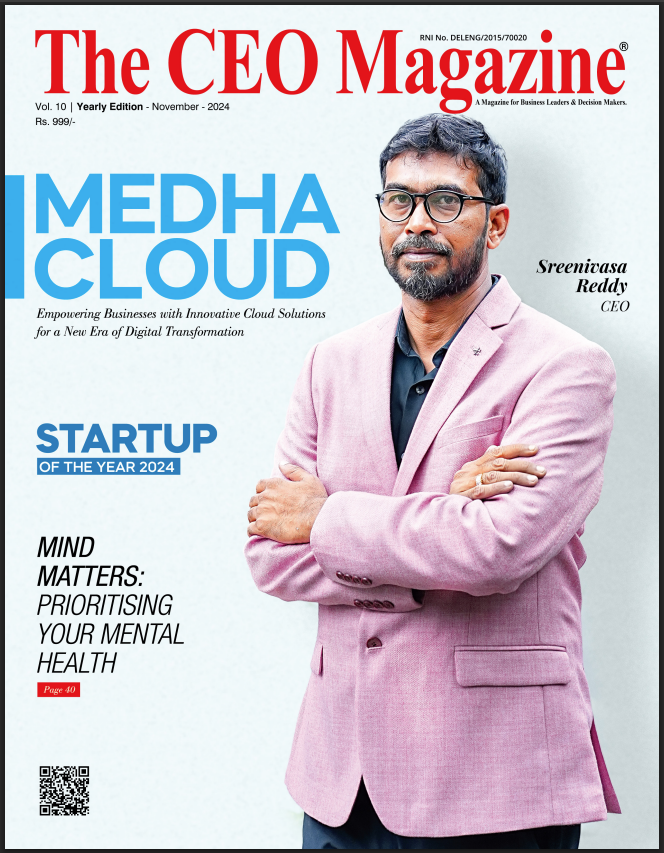
Sreenivasa Reddy is the Founder and CEO of Medha Cloud, recognized as "Startup of the Year 2024" by The CEO Magazine. With over 15 years of experience in cloud infrastructure and IT services, he leads the company's vision to deliver enterprise-grade cloud solutions to businesses worldwide.
More in Cloud Migrations
View all
Rocky Linux: Versions, RHEL Compatibility & Migration
9 min read
VMware to Hyper-V Migration: Step-by-Step Guide & Tools
11 min read
50 Cloud Migration Statistics for 2026 — Success & Failure Rates
17 min read
Top 100 Data Centers: Power, Water & Environmental Cost
18 min read
55 Cloud Computing Statistics for 2026: Spending, Migration & Adoption
16 min read
Data Center Statistics 2026: Spending, Growth & Global Capacity
14 min read