Can Azure Be Integrated with AWS or Google Cloud?
Yes, Azure can be integrated with AWS and Google Cloud, enabling businesses to build multi-cloud environments for improved flexibility, scalability, and resilience. Azure provides tools and services that facilitate secure and efficient integration across cloud platforms.
How Azure Integrates with AWS and Google Cloud
Multi-cloud strategies are becoming increasingly popular as businesses seek to leverage the strengths of different platforms. Azure, AWS, and Google Cloud can work together seamlessly through APIs, networking configurations, and third-party tools.
Key Integration Methods
1. Networking Integration
- Businesses can establish secure network connections between Azure and other cloud platforms using Virtual Private Network (VPN) or dedicated links.
- Azure ExpressRoute and AWS Direct Connect enable high-speed, private connections between the platforms.
- Google Cloud offers Cloud Interconnect, which works similarly to Azure ExpressRoute.
2. Data and Storage Synchronization
- Tools like Azure Data Factory and AWS Glue facilitate data movement and transformation between platforms.
- For object storage, businesses can synchronize data between Azure Blob Storage, AWS S3, and Google Cloud Storage using third-party tools like Cloud Sync or DataSync.
3. Identity and Access Management (IAM)
- Azure Active Directory (AAD) integrates with AWS IAM and Google Cloud IAM for unified identity management.
- Single Sign-On (SSO) ensures a consistent login experience across platforms.
4. Multi-Cloud Orchestration
- Kubernetes tools like Azure Kubernetes Service (AKS) and Google Kubernetes Engine (GKE) can manage containerized applications across clouds.
- Terraform and Ansible automate resource provisioning and management for Azure, AWS, and Google Cloud.
5. Application and API Integration
- APIs from Azure, AWS, and Google Cloud enable seamless communication between services.
- Developers can use API management tools like Azure API Management or AWS API Gateway to connect and monitor integrations.
Benefits of Integrating Azure with AWS and Google Cloud
- Flexibility and Redundancy:
- Multi-cloud environments reduce vendor lock-in and improve availability.
- Optimized Costs:
- Businesses can choose cost-effective services from each platform based on workloads.
- Improved Performance:
- Leverage the closest cloud region for faster response times.
- Resilience and Disaster Recovery:
- Distribute workloads across clouds to ensure business continuity during outages.
- Best-in-Class Features:
- Use specialized services from each platform (e.g., Azure AI, AWS Lambda, or Google BigQuery).
Tools and Services for Multi-Cloud Integration
| Tool | Purpose | Supported Clouds |
|---|---|---|
| Terraform | Infrastructure as Code (IaC) management | Azure, AWS, Google Cloud |
| Kubernetes | Containerized application orchestration | Azure, AWS, Google Cloud |
| Azure Arc | Manage hybrid and multi-cloud environments | Azure, AWS, Google Cloud |
| DataSync / Cloud Sync | Cross-platform data synchronization | Azure, AWS, Google Cloud |
| ExpressRoute / Direct Connect | High-speed, private connectivity | Azure, AWS, Google Cloud |
How Azure Consultants Enable Multi-Cloud Integration
- Assessment and Strategy Development:
- Analyze workloads to determine which services should run on Azure, AWS, or Google Cloud.
- Define goals for cost optimization, performance, and security.
- Implementation:
- Configure secure network connections and data synchronization between platforms.
- Integrate identity and access management systems.
- Monitoring and Optimization:
- Use tools like Azure Monitor or AWS CloudWatch to track performance.
- Regularly review and optimize resource allocation.
Ready to Build a Multi-Cloud Environment?
Medha Cloud will help you integrate Azure with AWS and Google Cloud for a seamless, secure, and optimized multi-cloud strategy.
Migrate servers, databases, and applications to Azure with zero downtime guaranteed.
Azure Migration ExpertsTopics
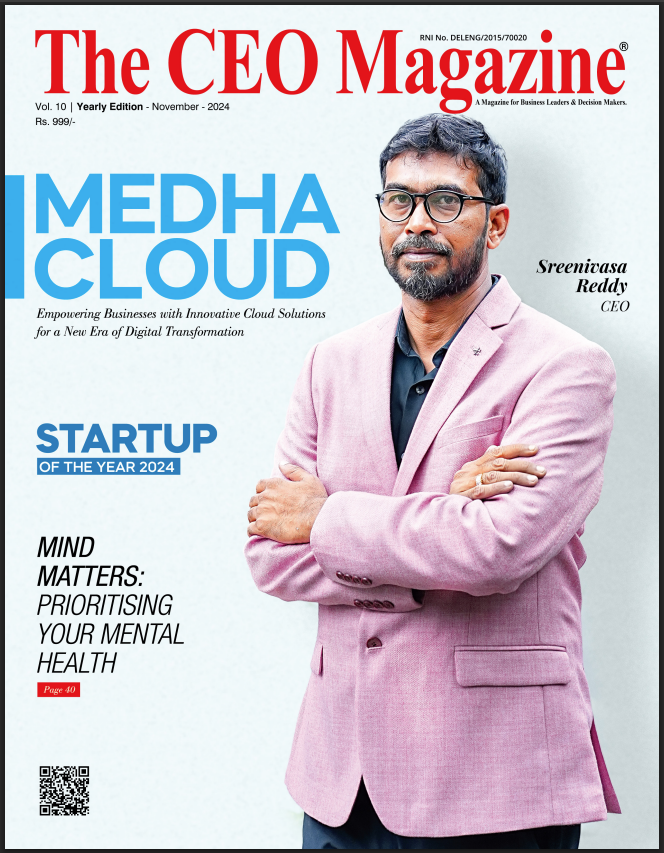
Sreenivasa Reddy G
Founder & CEO • 15+ years
Sreenivasa Reddy is the Founder and CEO of Medha Cloud, recognized as "Startup of the Year 2024" by The CEO Magazine. With over 15 years of experience in cloud infrastructure and IT services, he leads the company's vision to deliver enterprise-grade cloud solutions to businesses worldwide.
